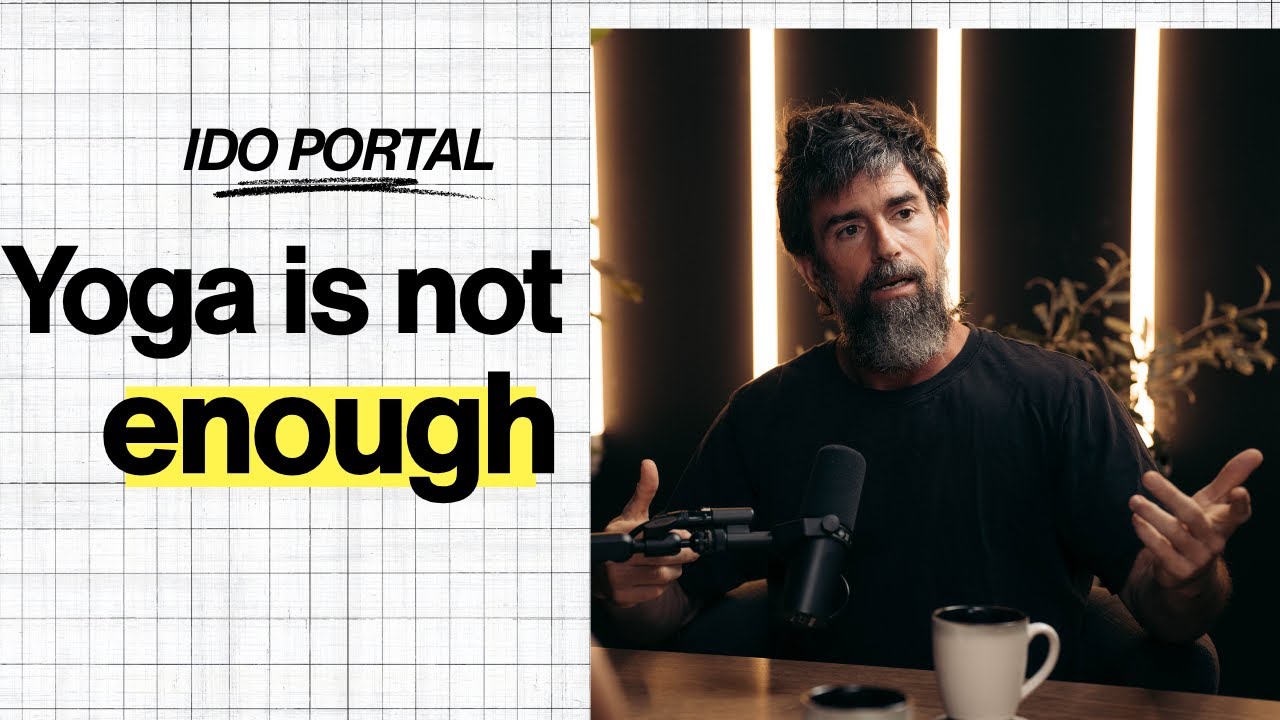
Hold the Room
Jonah Kest sits with Shawna Kru on what separates a class from an experience. Doubt as superpower. Why the room is the practice.

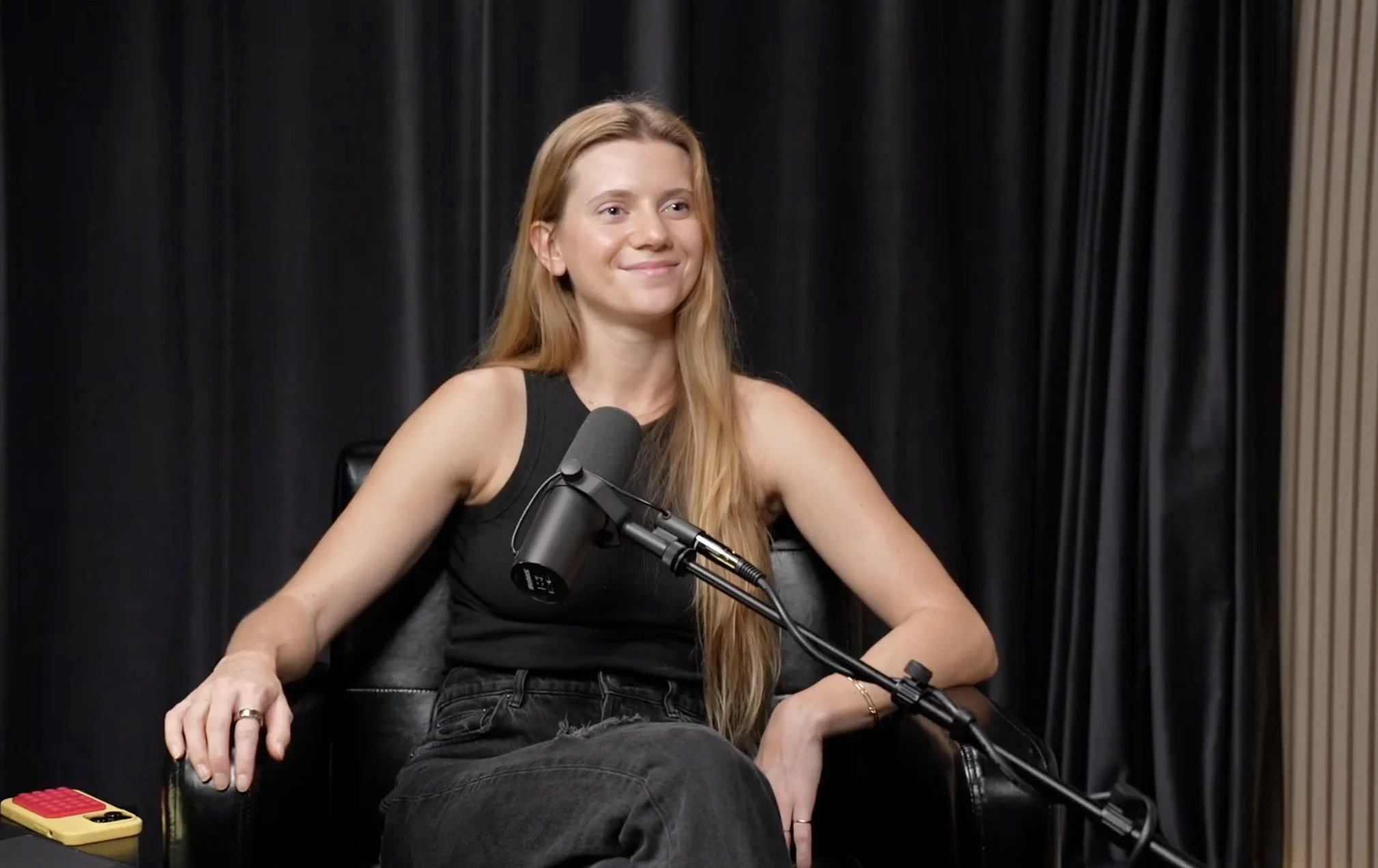
Shawna asked me what makes a yoga class actually land. I had to think for a second. Then it came out as a question I've been chewing on for years.
Class versus experience
What separates a class from an experience? A class is usually guided by an instructor. An experience is usually led by a teacher.
— Jonah Kest
An instructor gives cues. A teacher holds a room.
An instructor knows the sequence. A teacher reads the breath of forty different bodies and knows when to slow down and when to push.
An instructor delivers a class. A teacher creates a doorway. People walk through it. They come out on the other side a little different than when they walked in. That difference is the experience.
Doubt as a superpower
Here's something I told Shawna that I don't usually say in interviews. I still get nervous before I teach. Every time. Twenty years in. Sold-out room or six people in a studio basement. The nerves show up.
For a long time I thought that was a problem. I thought confident teachers don't feel doubt. Then I watched my dad teach. Watched my grandfather's old students still talk about him. And I realized the great teachers never lost the nerves either. They just stopped trying to.
Doubt is data. It means you still care. The day I walk into a room without that small flutter is the day I should stop teaching, because that's the day I've stopped paying attention.
I tell every trainee in our 300hr the same thing. Stay a student. The minute you decide you're done learning, the room stops trusting you. Doubt is a superpower because it keeps you honest.
The breath of the room
What does it mean to hold a room? Not the sequence. The sequence is the easy part. You can write a sequence on a napkin in five minutes.
Holding a room means you can feel when someone in the back row is about to cry. Holding a room means you slow the breath cue down because the person on mat seven is hyperventilating without knowing it. Holding a room means you know when the silence between two cues is the actual teaching.
This is the skill we train in our teacher training. Not how to demo a deeper backbend. Anyone with hip flexibility can demo. Holding a room is presence under pressure. Forty bodies. One breath. You don't teach it from a script. You learn it by being in the room over and over until the room teaches you back.
What conscious leadership actually means
Shawna's whole podcast is about leadership in yoga. I had to think about what that word means to me. I told her I don't love the word leader. Too much CEO energy. Too much hierarchy.
What I trust more is the word steward. A steward holds something on behalf of people who came before and people who come after. A steward doesn't own the lineage. A steward just got entrusted with it for a stretch of time.
That reframe changes how I teach. I'm not the source. The lineage is the source. I'm just the room it's running through this hour. My job is to stay clean enough — in body, in breath, in attention — that the lineage can pass through without me clogging the pipe.
That's also why doubt belongs in the room. The minute I start thinking the lineage is mine, the pipe clogs. The minute I remember I'm just borrowing it, the breath of the room opens up again. Conscious leadership in yoga, for me, is just remembering that.
Shawna asked what advice I'd give a teacher who's struggling with imposter syndrome. I told her the same thing I tell our 300hr cohort. You're not supposed to feel like you've arrived. You're not the destination. You're a steward. Stewards stay nervous. Stewards stay grateful. Stewards keep showing up early to sweep the floor before class because the room deserves it. That's the whole leadership style I trust.
What to take to the mat
- Next class you take, sit in the back and watch the teacher's eyes. See if they're watching the room or watching themselves.
- If you teach, leave one cue out of your sequence on purpose. See what shows up in the silence.
- Before you teach, place your hand on your chest. Three breaths. Notice the nerves. Don't try to make them go away. Walk in with them.
Episode markers
- 00:00 — Meeting Shawna, conscious leadership in yoga [needs verification]
- 12:30 — Class versus experience [needs verification]
- 28:15 — Doubt before every class [needs verification]
- 42:00 — Staying a student [needs verification]
- 54:40 — What we actually train in 300hr [needs verification]
- 1:05:20 — Closing reflections [needs verification]
Hold the room. The room holds you back.