Brakes of a Car
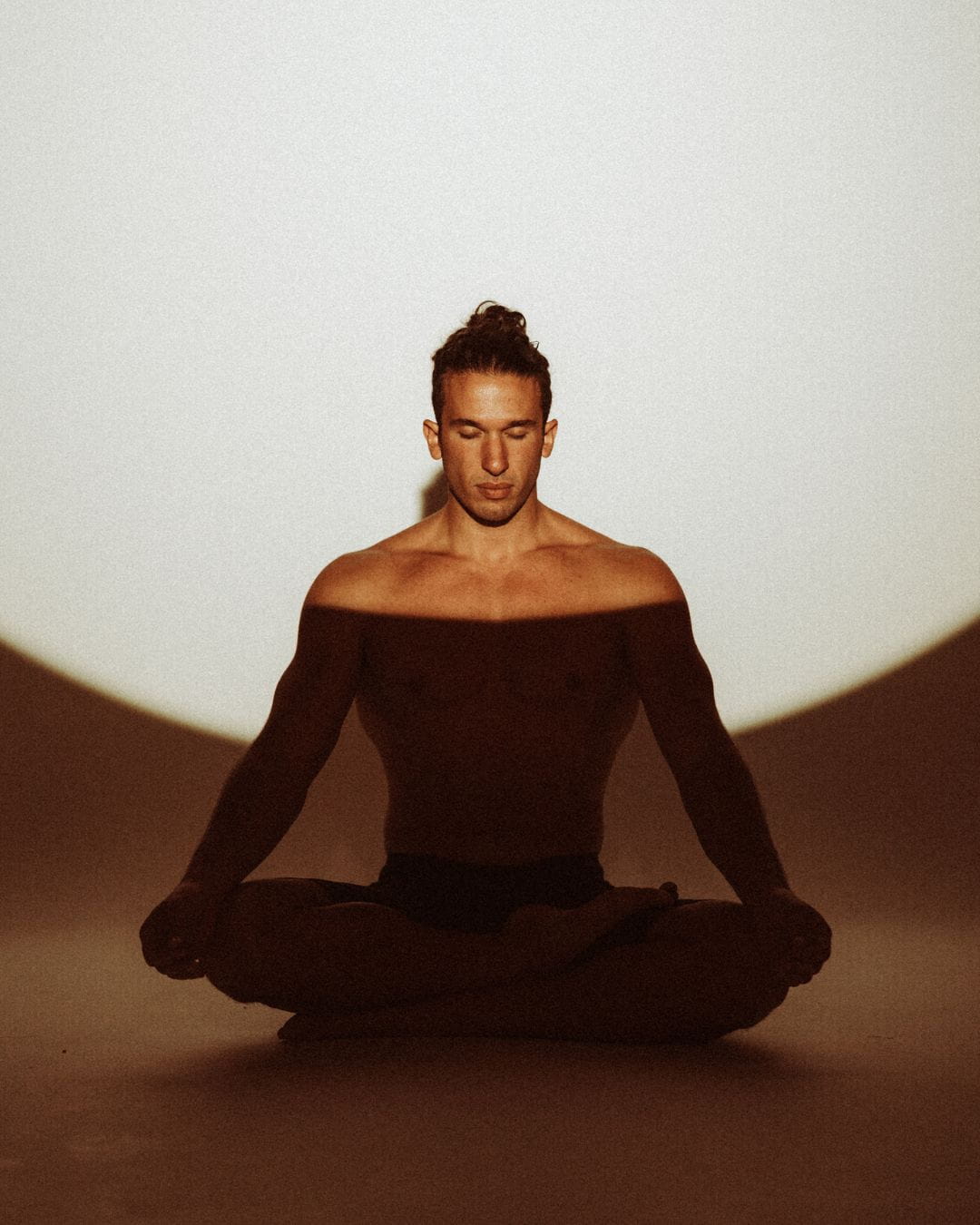
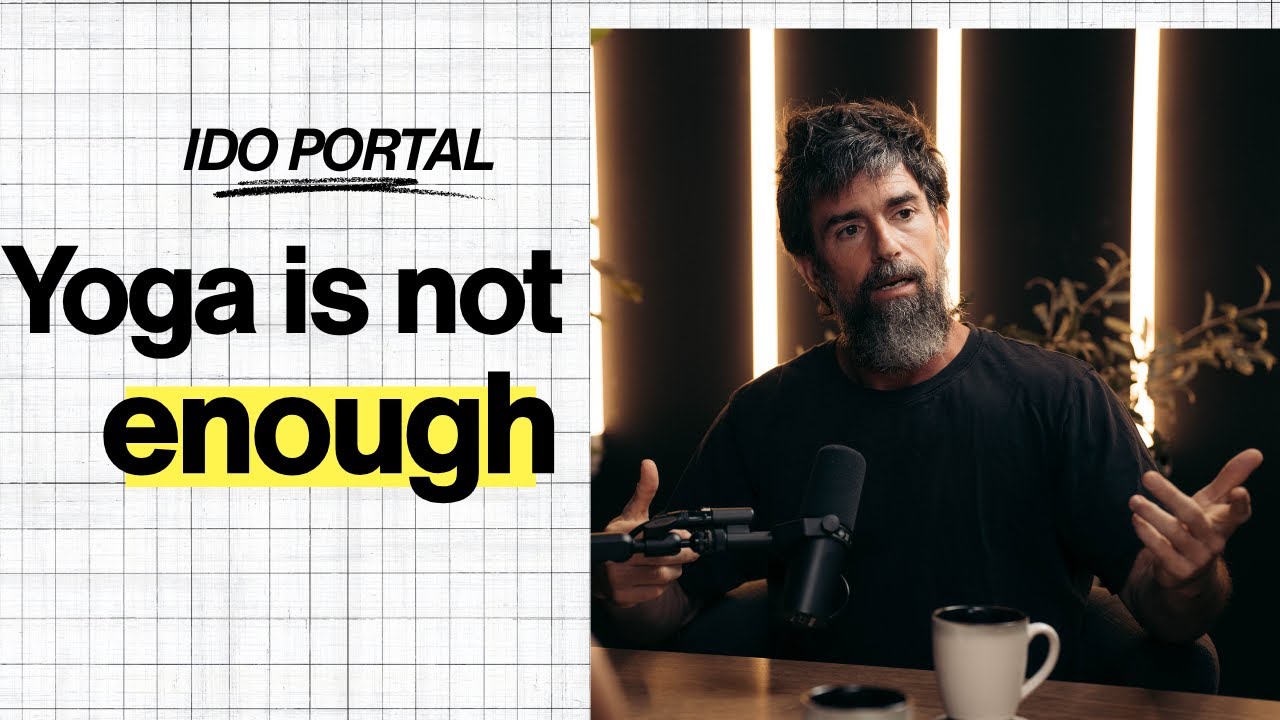
After a hard workout, Jonah Kest sits with Brian Pruett to talk meditation as subtraction, prana rituals, and why Detroit and yoga aren't a contradiction.


We sat down after a workout. Sweat still drying. Brian asked about meditation and I gave him the metaphor I wish someone had given me at seventeen.
Meditation as subtraction
Most people approach meditation like they approach the gym. What can I add. What app. What gear. What breathwork. What technique. More, more, more.
That's backwards.
One of the best ways to think of meditation is like the brakes of a car.
— Jonah Kest
Brakes don't add anything to the car. They remove speed. They create the possibility of stopping. Without brakes, the engine is a death machine. With brakes, the same engine becomes useful.
Meditation isn't a feature you bolt onto a busy life. It's the part that lets the busy life function without killing you. Addition by subtraction. You're not gaining peace. You're losing the noise that was drowning peace out the whole time.
Prana rituals in the everyday
I don't sit for two hours a day. I'm not that monk. I have a son, a community, a podcast, three locations to run. The romantic ashram life is not my life.
So I built prana rituals into the day instead. Three breaths before I open my laptop. A minute of silence before I eat. Walking barefoot to get the mail and feeling the ground under each step. These aren't meditation sessions. They're brakes I tap throughout the day so I don't have to slam them at night.
Brian asked about athletic longevity. Same answer. Pros who last aren't the ones who train harder. They're the ones who recover smarter. The brake pedal. The exhale. The sit.
Hip-hop and sacred mantras
Brian also asked about my playlists. I teach with hip-hop beats next to Sanskrit chanting. People raise eyebrows. Detroit and Patanjali in the same hour.
But that's the whole point. The lineage I come from doesn't ask you to be someone else to practice. You bring your culture, your edges, your music. The mat holds it. The breath remixes it. We are always becoming, and what we're becoming includes everywhere we've already been.
Conscious hip-hop is prayer with a beat behind it. A mantra is the same idea wearing different clothes. If the breath of the room rises during a Wu-Tang track and again during a Gayatri chant, the practice is working. The music isn't the message. The opening is the message.
Detroit is not a contradiction
People sometimes treat my background like a punch line. Yoga teacher from Detroit. Like that's supposed to be a joke. But Detroit is where my dad taught. Detroit is where my grandparents practiced. Detroit is where I learned that real practice doesn't need a pristine studio with mountain views.
The Kests are rebels from Detroit. That's not a marketing line. That's an actual fact about where the lineage comes from. Yoga in the rust belt. Mantra in a city that's been written off six times and keeps standing back up.
I think that's exactly why this lineage holds up. It wasn't born in a vacation. It was born in a place that needed it. And the people who built the practice in our family treated yoga as survival equipment, not as a luxury good. That's the spine of everything we still teach.
So when I bring hip-hop into class, or quote Eminem in the same breath as the Bhagavad Gita, I'm not being clever. I'm being honest. This is what the practice sounds like when it comes through me.
Longevity is just brakes that work
Brian's whole frame is around being an athlete who lasts. The pros he trains and interviews are people who've stayed in the game past the average expiration date. He asked me what I see when I look at long-career athletes who still seem peaceful.
I told him this. They've all figured out the brake pedal. Whatever they call it — meditation, prayer, ice baths, journaling, a walk with no headphones — they have a way to slow the engine on purpose. They don't wait for injury or burnout to do it for them.
Same is true in yoga teaching. The teachers who stay good for thirty years are the ones who practice subtraction. They take stuff off the plate. They say no more. They sleep enough. They tap the brakes long before the wheels start smoking.
You can spot it in the room. A teacher who's running on fumes teaches with a brittle energy. A teacher who's rested teaches with a kind of slowness that feels generous. The breath of the room reads it instantly, even when the words coming out of the teacher's mouth are identical.
What to take to the mat
- Three breaths before your first email. Slow exhale. Longer than the inhale.
- One ritual you can tap as a brake during the day. Drinking water. Walking to the bathroom. The threshold of a door.
- Make a practice playlist that includes one song that doesn't fit. See what happens when both songs hold the room.
Episode markers
- 00:00 — Post-workout sit-down [needs verification]
- 09:40 — The brake metaphor [needs verification]
- 21:15 — Prana rituals in daily life [needs verification]
- 34:00 — Athletic longevity and recovery [needs verification]
- 45:30 — Hip-hop, mantra, and conscious music [needs verification]
- 55:10 — Closing reflections [needs verification]
Tap the brakes. The road keeps going.